
Best Betta Fish Tanks
A betta tank has to do three jobs: give the fish room, hold a heater and thermometer, and keep water gentle and clean. The decisions that matter are volume, filter flow and how easy water changes are. This page is for first-time betta keepers choosing a home for one fish.
Jump to section
What we look for
Volume
a larger tank is more stable, and stable water is easier on a betta.
Room for a heater and thermometer
bettas are tropical fish, and a heater needs space and a clear spot to sit.
Gentle-flow filter
strong flow pushes a betta around, so look for adjustable or low flow.
Lid
a lid stops jumping and keeps debris out.
Easy water changes
a tank that is easy to siphon and refill gets cleaned more often.
Lighting
a light helps you see the fish, and plants need more of it.
- Sources: manufacturer product pages and manuals, warranty terms, and the Fluval manual for heater setup and UF/IFAS for water chemistry.
How to choose the right betta tank
Betta tanks range from tiny cups to proper small aquariums. Compare the six points below, and use how to set up a fish tank for the full order of steps.
A betta tank still cycles. UF/IFAS says nitrifying bacteria process ammonia in every tank, a new biofilter takes about six to eight weeks to establish, and ammonia should read zero in a healthy system (UF/IFAS). Go by your tests, not the calendar.
Bettas are tropical fish, so check that the tank has room for a heater and a thermometer. Fluval's heater manual says to allow up to 12 hours for a heater to reach the set temperature before adjusting the dial, and to verify the temperature with an accurate thermometer (Fluval manual). The manual adds that the heater must stay submerged to its minimum line and must never operate outside of water, that every cord needs a drip loop, and that all appliances should be unplugged before you put your hands in the water. Water weighs about 8.3 lb per gallon (USGS), so place the tank on a level surface that can carry it.
Flow and water prep matter in a small tank. Many filters let you adjust flow, through a pump dial or control knob (Seachem), so look for an adjustable or gentle-flow model. Treat tap water with a product that removes chloramine, and keep chloramine residuals below 0.1 ppm (Nebraska Extension). Test ammonia at least weekly, and more often if problems appear (UF/IFAS).
Volume
Water in a bigger tank changes more slowly, so small mistakes cost less. Compare the Volume column and the tank's footprint. If you plan to add plants or decor, remember they take up space that the listed volume includes.
Room for a heater and thermometer
Check that the tank has room to fit a heater and that the filter does not block it. Use an adjustable heater and verify temperature with a separate thermometer, as heater makers advise (Fluval manual). Our heater guide covers what to compare.
Gentle-flow filter
Look at the Filter type and flow column. Sponge and adjustable filters can be gentle; some small built-in filters are not. Every tank relies on bacteria to process ammonia, so a filter with room for media still matters. See how to cycle a fish tank.
Lid
Check the Lid column. A tight lid with a gap for the heater cord and filter tubing works best. Every cord should have a drip loop below the outlet (Fluval manual).
Easy water changes
Look at tank shape and opening size. A wide top lets you reach decor and use a siphon. A gravel vacuum makes water changes simpler, and hand washing afterward matters (CDC).
Lighting
Some kits include an LED light. If you want live plants, check the light type and compare it with our aquarium light guide. A fixed light with a timer is easiest to run on a regular daily schedule.
Tips for using your betta tank
- Treat tap water with a conditioner that removes chloramine before it touches the tank.
- Add a test kit and check ammonia at least weekly.
- Wash your hands after any contact with the tank or its water (CDC).
FAQ
Does a betta tank need a filter and cycling?
Every tank relies on nitrifying bacteria to process ammonia, and ammonia should read zero in a healthy system (UF/IFAS).
Does it need a heater?
Bettas are tropical fish, so plan on an adjustable heater and verify the temperature with a separate thermometer, as heater makers advise (Fluval manual). This is practical guidance rather than a sourced temperature rule.
How do I prepare tap water?
Use a conditioner that removes chloramine, and keep chloramine residuals below 0.1 ppm (Nebraska Extension).
How often should I test?
At least weekly for ammonia, and more often if problems appear (UF/IFAS).
Related
-
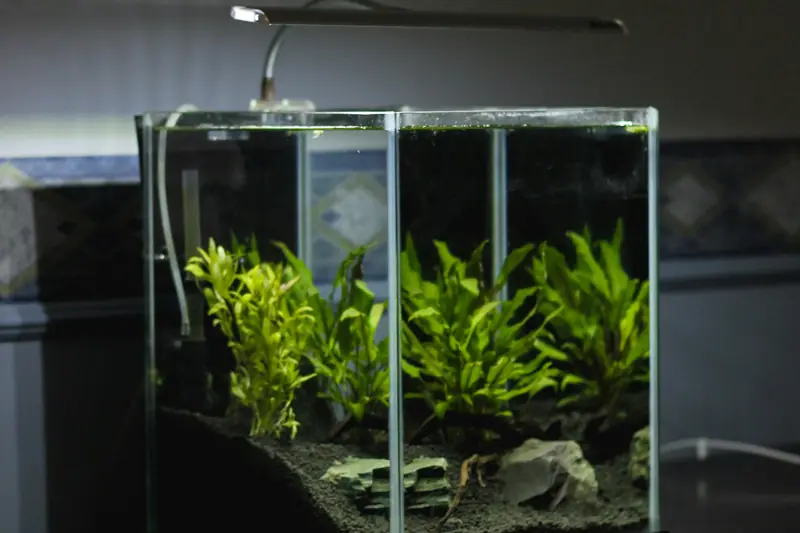
Buying guide
Best Aquarium Starter Kits for Beginners
Volume, filter type, heater and lid, side by side for first-time owners.
-
Buying guide
Best Aquarium Heaters
Wattage, rated tank size, build and run-dry protection, side by side.
-
Buying guide
Best Water Conditioners for Aquariums
Chloramine removal, dose and bottle size, side by side.
-
Buying guide
Best Aquarium Test Kits
Parameters, format, tests per kit and ammonia range, side by side.
-
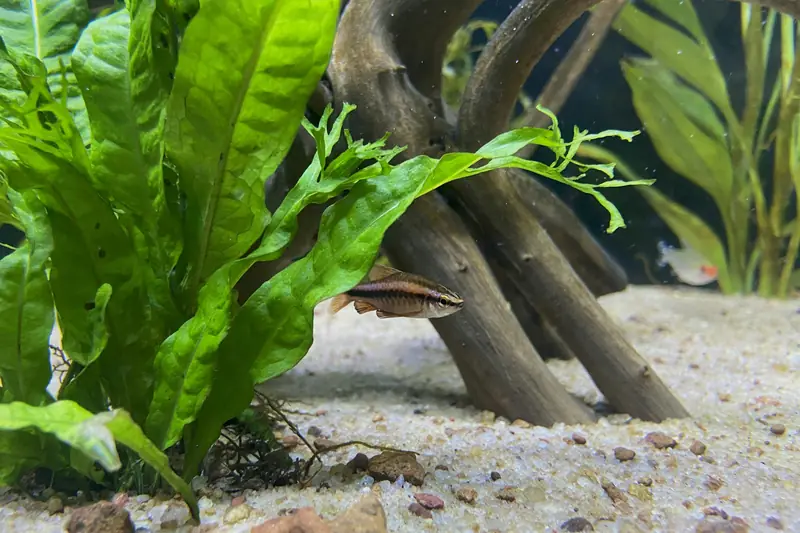
Guide
How to Set Up a Fish Tank: A Step-by-Step Beginner's Guide
Stand, water treatment, filter, heater and tests, in the order that keeps fish safe.
-
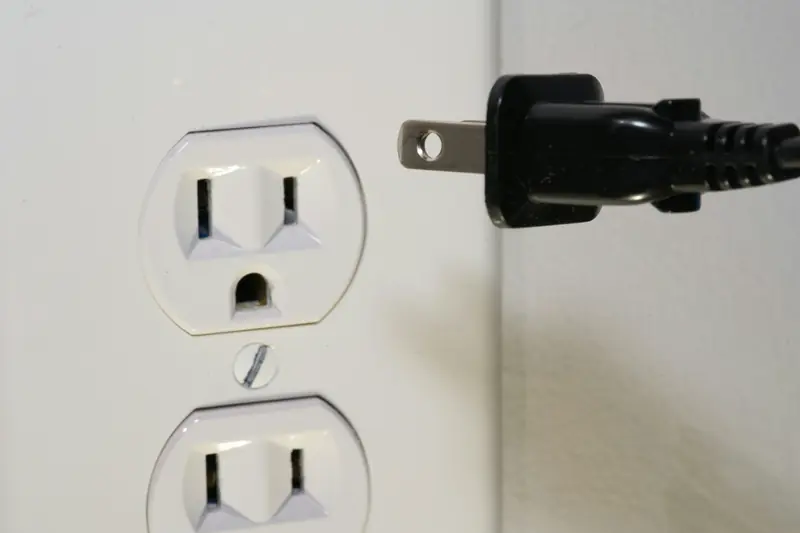
Guide
Aquarium Heater Setup and Electrical Safety
Unplugging, submersion lines, drip loops and the 30-minute removal rule.
Get the First Fish Tank Checklist
A printable 8-point checklist for a new tank: stand weight, water treatment, filter, heater safety, temperature, tests and cleanup. Free.