
Best Aquarium Lights (Fish-Only and Planted)
A light shows off your fish, and for planted tanks it decides whether the plants grow. The main decisions are whether the fixture fits your tank, how much light it puts out and how you control it. This page is for owners choosing a first light or upgrading for plants.
What we look for
Fit for tank length
a light that does not match the tank length leaves dark areas or will not sit securely.
Intensity for plants
plants need more light than fish do, and makers state this as lumens or PAR.
Spectrum and color
spectrum affects how colors look and how plants respond.
Timer and dimming
a daily schedule is easier with a timer, and dimming softens the change.
App control
an app can set schedules and colors, but only if it is reliable.
Water and splash protection
lights sit over water, so splash and condensation protection matters.
- Sources: manufacturer product pages and manuals, warranty terms, and the Fluval manual for electrical safety and manufacturer listings for light specs.
How to choose the right light
Lights differ most in fit, output and controls. Compare the six points below, and read how to set up a fish tank for where the light fits in the setup order.
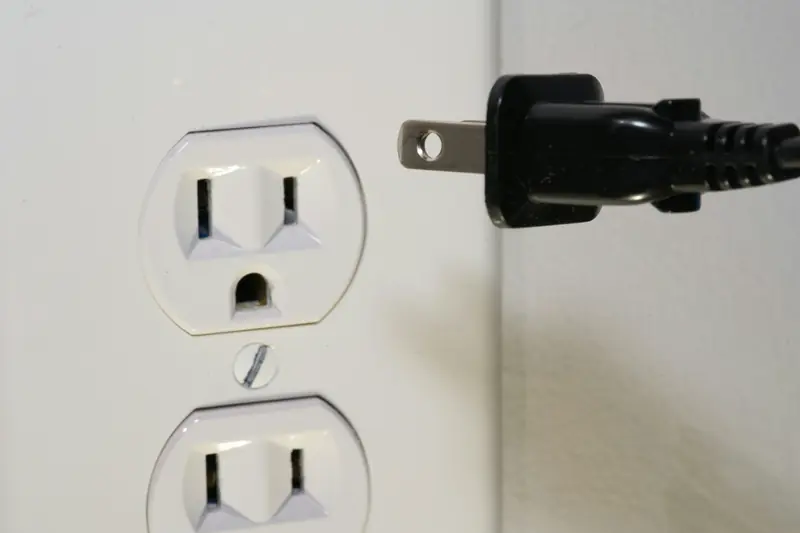
Lights are electrical appliances in a wet room, so the setup rules from the heater manual apply. Fluval says to always unplug or disconnect all appliances in the aquarium from the electricity supply before placing hands in the water (Fluval manual). Leave a loop of cord below the outlet, a drip loop, so water cannot run down the cord into the socket (Fluval manual).
For plants, compare the maker's PAR or lumen figure at your tank depth rather than relying on a general rule. A built-in timer gives a consistent daily schedule, and an app control is a convenience, not a requirement. Measure your tank length first, so the Fits tank length column does the sorting.
A light can change the water temperature a little, so keep checking with a thermometer. Fluval's manual says to verify the temperature with an accurate thermometer (Fluval manual), and that applies whatever heats or lights the tank. Check the Water and splash protection column for how the maker describes the fixture.
Fit for tank length
Measure the tank's length and compare it with the Fits tank length column. Many fixtures extend to fit a range. Check how it mounts, on the rim, on legs or hung above, and whether your lid or hood leaves room for it.
Intensity for plants
If you keep plants, compare maker output at your tank depth, since light weakens with depth. Fish-only tanks need less. Use the Output column and keep in mind that the figure is the maker's own, not an independent measurement.
Spectrum and color
Check the Spectrum column for the colors the fixture can produce. A fixture with several channels gives more control over how the fish look and what the plants receive. Pick what you want to see; there is no single correct look.
Timer and dimming
A consistent daily light schedule is easier with a built-in timer. Check the Timer and Dimmable columns. Without one, a separate outlet timer works. Dimming helps avoid startling fish when lights come on.
App control
App-controlled lights suit people who want to change schedules without opening the lid. Check whether the light still works with its own controls if the app fails, and whether it needs an account. Treat it as a convenience, not a necessity.
Water and splash protection
Check the maker's guidance on water exposure and how the fixture handles condensation. Keep a drip loop on every cord and unplug before putting hands in the tank (Fluval manual). See also our heater safety guide.
Tips for using your light
- Pair a plant light with a water test kit; plants and fish both depend on stable water.
- Check water temperature with a thermometer, because a light can change a tank's temperature a little.
- Put every cord on a drip loop (Fluval manual).
FAQ
Do I need a special light for plants?
Yes, if you keep plants. Compare maker PAR data at your tank depth. This is practical guidance rather than a sourced figure.
Should I put lights on a timer?
A consistent daily schedule is easier with a built-in timer. This is practical guidance.
What about electrical safety?
Keep a drip loop on every cord and unplug before putting your hands in the tank (Fluval manual).
Will lights heat the tank?
LEDs add little heat, but always verify water temperature with a thermometer. This is practical guidance.
Sources
Related
-
Buying guide
Best Fish Tanks (20 Gallons and Up)
Footprint, glass, rimless design and weight, side by side for larger tanks.
-
Buying guide
Best Aquarium Starter Kits for Beginners
Volume, filter type, heater and lid, side by side for first-time owners.
-
Buying guide
Best Aquarium Heaters
Wattage, rated tank size, build and run-dry protection, side by side.
-
-
Guide
Aquarium Heater Setup and Electrical Safety
Unplugging, submersion lines, drip loops and the 30-minute removal rule.
-
Guide
How to Set Up a Fish Tank: A Step-by-Step Beginner's Guide
Stand, water treatment, filter, heater and tests, in the order that keeps fish safe.


Get the First Fish Tank Checklist
A printable 8-point checklist for a new tank: stand weight, water treatment, filter, heater safety, temperature, tests and cleanup. Free.