
Best Water Conditioners for Aquariums
Tap water is made safe for people, not for fish. A conditioner makes it safe for the tank, and the choice comes down to what it removes, how much you must add and how much water a bottle treats. This page is for anyone doing water changes or filling a new tank from the tap.
Jump to section
What we look for
Removes chlorine and chloramine
chlorine-only products do not remove chloramine.
Handles ammonia from chloramine
chloramine breaks down into ammonia, which a conditioner may or may not address.
Dose size and cost per gallon
a smaller dose per gallon means the bottle lasts longer.
Effect on test readings
some conditioners can affect ammonia tests, so readings may look off.
Bottle size
a larger bottle is cheaper per treatment for big tanks and frequent changes.
- Sources: manufacturer product pages and manuals, warranty terms, and Nebraska Extension and UF/IFAS for chlorine and chloramine facts.
How to choose the right water conditioner
Conditioners look the same on the shelf but differ in what they remove. Compare the five points below, and read aquarium water testing to see what to measure after treatment.
Know what your tap water holds. Chloramine is toxic to fish, and chemicals that remove only chlorine will not remove it. Nebraska Extension says to use a dechloramination product or high-quality granular activated carbon, and that reverse osmosis, softeners and boiling do not remove chloramine effectively (Nebraska Extension). Letting water sit is unreliable too: UF/IFAS says 24 hours of vigorous aeration greatly reduces chlorine but chloramine levels will probably not be zero (UF/IFAS).
Chloramine also breaks down into ammonia, which can be toxic at high levels (Nebraska Extension). That is why the Handles ammonia column matters. Some conditioners can interfere with ammonia tests, so read the label and follow it. If your water is chloraminated, use a total chlorine test, since a free-chlorine test gives erroneous readings (Nebraska Extension).
Use the table to compare dose and cost. Divide the bottle size by the dose per gallon to see how many gallons a bottle treats, then compare that with the current price on Amazon. Chloramine residuals in fish water should stay below 0.1 ppm (Nebraska Extension), and UF/IFAS says even the slightest trace of chlorine can prove fatal to fish (UF/IFAS). Follow the label dose, and test again after treatment, since ammonia released from chloramine will show on an ammonia test.
Removes chlorine and chloramine
Check the Removes chloramine column. Chemicals that remove only chlorine will not remove chloramines (Nebraska Extension). Ask your water utility whether your supply uses chlorine or chloramine, and see how to set up a fish tank for where treatment fits.
Handles ammonia from chloramine
Chloramine breaks down into ammonia, which can be toxic at high levels (Nebraska Extension). Some conditioners say they detoxify it, a maker-stated claim. Check the Detoxifies ammonia column, and keep testing; see aquarium water testing.
Dose size and cost per gallon
Compare the Dose, Bottle size and Treats columns together. A concentrated product needs less per gallon, but the real measure is how many gallons a bottle treats. Check the dose on the label for your tank size and work out the cost for each water change.
Effect on test readings
Some conditioners can interfere with ammonia tests (UF/IFAS). If your reading looks high after treating water, think about timing and read the kit's instructions. Our test kit guide covers formats.
Bottle size
Match the bottle to how much water you change and how often. A small tank may use a small bottle for months, and a large tank can use it up quickly. Check how long the product keeps once opened on the maker's page.
Tips for using your water conditioner
- Treat every batch of tap water before it touches the tank. UF/IFAS says even the slightest trace of chlorine can prove fatal to fish (UF/IFAS).
- Keep chloramine residuals in fish water below 0.1 ppm (Nebraska Extension).
- Add a gravel vacuum if you do regular water changes, so changing and cleaning go together.
FAQ
Is chlorine really that dangerous?
UF/IFAS says even the slightest trace of chlorine can prove fatal to fish and aquatic life (UF/IFAS).
Can I just let tap water sit out?
Not if it contains chloramine. Standing or 24 hours of aeration reduces chlorine but probably will not bring chloramine to zero, and chloramines can take weeks to dissipate (UF/IFAS; Nebraska Extension).
Does boiling or a softener remove chloramine?
No. Nebraska Extension says reverse osmosis, water softeners and boiling do not remove it effectively; use a dechloramination product or quality activated carbon (Nebraska Extension).
Why does my ammonia test read high after conditioning?
Chloramine breaks down into ammonia, and some conditioners can also interfere with ammonia tests (Nebraska Extension; UF/IFAS).
Related
-
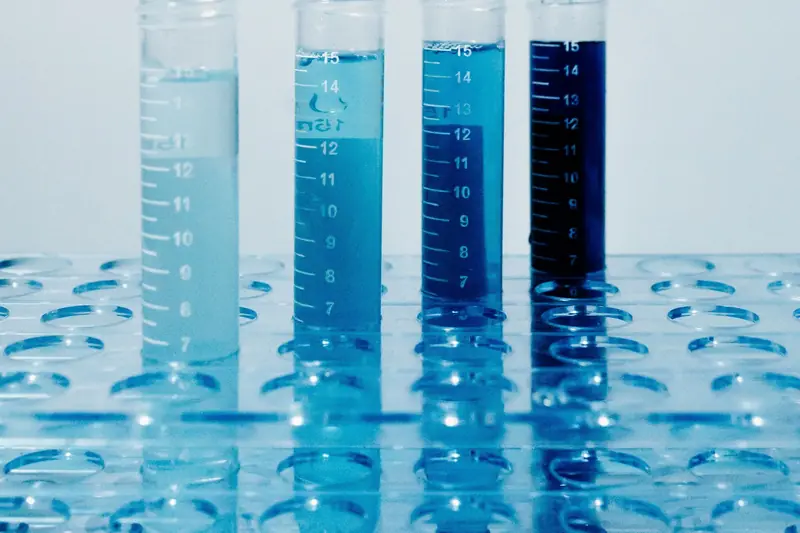
Buying guide
Best Aquarium Test Kits
Parameters, format, tests per kit and ammonia range, side by side.
-
Buying guide
Best Aquarium Gravel Vacuums
Type, tube length, hose length and faucet adapters, side by side.
-
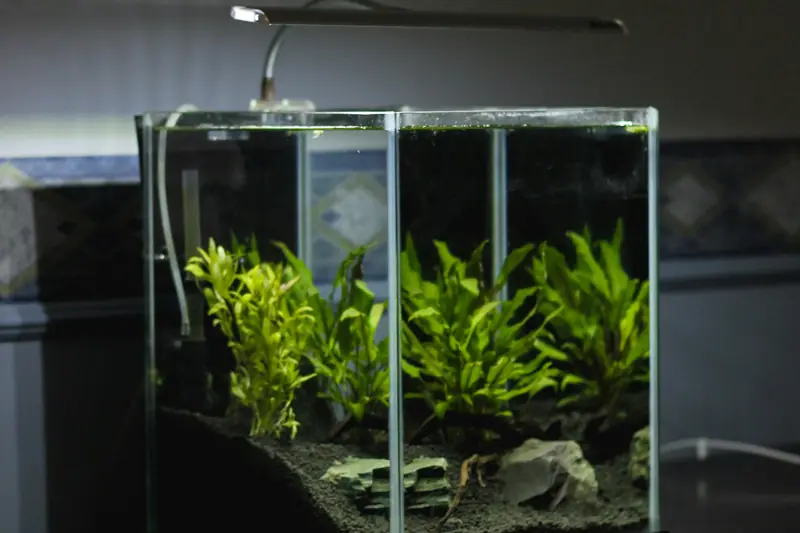
Buying guide
Best Aquarium Starter Kits for Beginners
Volume, filter type, heater and lid, side by side for first-time owners.
-
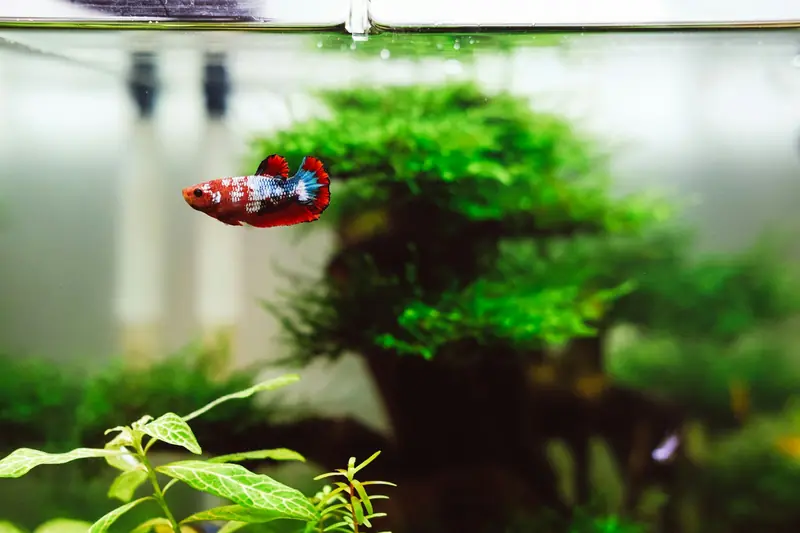
-
Guide
Aquarium Water Testing: What the Numbers Mean
Ammonia, nitrite, nitrate, pH and alkalinity, with the danger levels from UF/IFAS.
-
Guide
How to Set Up a Fish Tank: A Step-by-Step Beginner's Guide
Stand, water treatment, filter, heater and tests, in the order that keeps fish safe.

Get the First Fish Tank Checklist
A printable 8-point checklist for a new tank: stand weight, water treatment, filter, heater safety, temperature, tests and cleanup. Free.