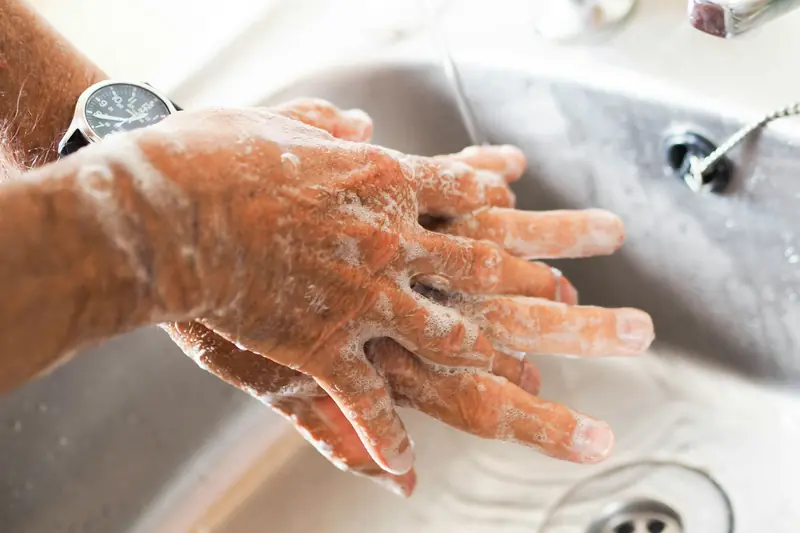
Aquarium Hygiene: Keeping Your Family Healthy Around Fish Tanks
CDC guidance on germs, handwashing, cleaning and who should avoid tank work.
Quick answer
Yes, fish and tank water can carry germs, including Salmonella and the bacteria behind "fish tank granuloma" (CDC). Wash your hands after any contact with fish, equipment or tank water, clean gear outside the kitchen sink, and keep children under 5 away from cleaning. See a health care provider if a wound turns red, painful, warm or swollen.
Jump to section
Germs tank water can carry
A fish tank looks clean and calm, and it is still a place where bacteria live. Fish and the water they live in can carry germs that make people sick.
None of this means you should avoid keeping fish. It means the hygiene habits below matter, and that they matter most for children and for people with weak immune systems. This guide follows CDC advice, last dated April 15, 2024, and does not add medical advice beyond it.
If you are unwell and think a tank may be involved, talk to a health care provider and mention your contact with fish.
Think of the tank as part of your home's hygiene routine, like a pet bowl or a litter box. You do not have to be afraid of it, and you do not have to ignore it. A few habits, repeated every time, keep the risk low. The sections below turn the CDC advice into those habits, from washing your hands to deciding who should do the cleaning. Read them once, then pick the two or three that you are most likely to forget and put a reminder beside the tank.
Handwashing: when and how
Handwashing is the single most useful habit. CDC says to wash your hands with soap and running water at these times (CDC):
- Before and after handling fish.
- After feeding.
- After touching equipment or tank water.
- After cleaning the tank or its gear.
- Before eating.
Make it easy. Keep soap near the tank, and teach everyone in the home to wash after contact. A hand wash is quick, and it protects the person who just did the job and everyone who touches the same door handles and counters afterward. Treat it like brushing teeth: not a special event, just part of the routine. If you use a gravel vacuum for water changes, the hand-wash step comes after you put the equipment away.
Wash for as long as the soap instructions on the pump or label say, and rinse well. Dry your hands on a clean towel. Teach everyone who helps with the tank to follow the same order: touch the tank, then wash. It is easy to forget when you are only feeding the fish, so the feeding step is the one to build into a habit.
Where to clean tank gear (not the kitchen sink)
The kitchen is where food is prepared, so tank water and tank gear do not belong there.
That covers filter parts, decor, nets and buckets. If you own a canister, plan for how you will carry its parts to the right place; our canister filter guide lists the specs that affect size and handling. The same rule applies to dumping tank water: take it to a tub, a laundry sink or outdoors.
A routine you can follow:
- Gather what you need and take it to the tub or laundry sink.
- Rinse and clean, then disinfect the area.
- Wash your hands.
- Store the gear away from food.
Set aside a bucket or two just for the tank, and label them so they never get used for food or cleaning. Keep nets, siphon hoses and brushes in one place, away from where food is stored. Use them only for the tank.
Gloves, cuts and scrapes
CDC advises wearing gloves when you clean the tank, especially if you have cuts or wounds, or when you handle rough rocks or spiny fish (CDC).
Keep a pair of gloves with the tank gear so they are close at hand. Check your hands for cuts before you start. If you find one, cover it or leave the job for another time.
Gloves do not replace handwashing. Take them off carefully, avoid touching your face while wearing them, and wash your hands after you remove them. If a glove tears while you work, stop, wash the area and check for a scrape. Keep a spare pair with the tank gear, so a torn glove never becomes a reason to carry on bare-handed.
Kids under 5 and people with weak immune systems
Some people face more risk from a tank than others. CDC says children under 5 should not clean or handle aquarium items (CDC). It also says people with weakened immune systems should have others clean the tank, or wear gloves.
If a tank is a gift for a young child, treat it as an adult's job with a child watching. Our starter kit guide covers what comes in the box. Place the tank where young children cannot reach the water or equipment.
A household often includes more than one person at risk. Think about visitors, grandparents and anyone with a health condition when you decide who does the cleaning. If you are unsure whether you or someone you live with counts as having a weakened immune system, ask a health care provider.
Wound warning signs
Minor scrapes need attention too. If you scratch yourself on a fin, gravel or a rock, wash the wound right away (CDC).
Do not wait to see if it clears on its own if it looks worse. Telling the provider about fish contact helps them think of the right causes. For questions about health, a provider is the person to ask; this site cannot give medical advice. For the basics of water chemistry and what makes a tank safe for fish, see aquarium water testing and how to set up a fish tank.
Keep a first aid kit near the tank, so you can wash and cover a scrape right away. The CDC warning signs are the ones to watch for over the following days. If you are not sure, it is reasonable to ask a provider early. Our water testing guide and setup guide cover the rest of tank care.
Gear that helps
-
Best Aquarium Gravel Vacuums
A siphon with a long hose lets you drain water to a tub or outdoors rather than carrying buckets.
-
Best Canister Filters
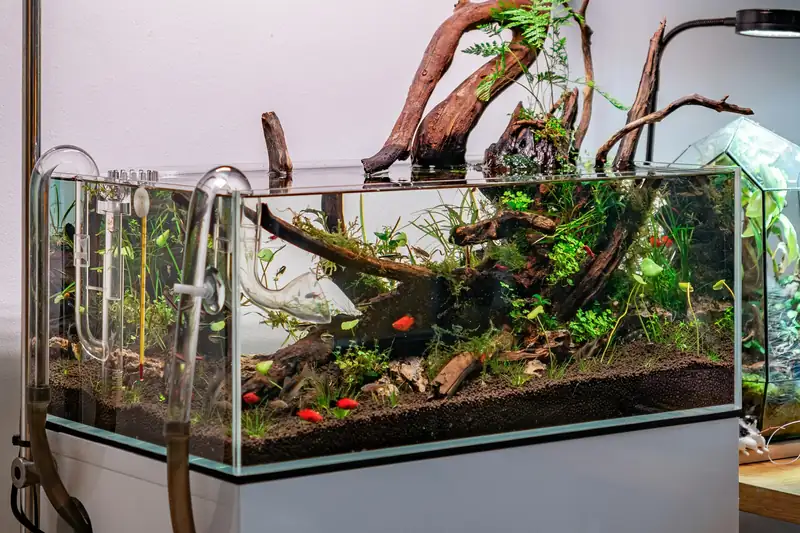
Filter parts are cleaned away from the kitchen sink, so a canister's size and parts are worth checking.
-
Best Aquarium Starter Kits for Beginners
If a child will help, pick a kit and plan the cleaning as an adult job.


FAQ
Can kids help with the tank?
CDC says children under 5 should not clean or handle aquarium items (CDC). Older children can help with adult supervision and handwashing.
Is hand sanitizer enough?
Use soap and running water. If soap is not available, CDC says to use a sanitizer with at least 60% alcohol (CDC).
Where should I empty tank water?
Not in the kitchen sink. CDC says to use a bathtub, laundry sink or outdoors, then disinfect (CDC).
Related
-
Buying guide
Best Aquarium Gravel Vacuums
Type, tube length, hose length and faucet adapters, side by side.
-
Buying guide
Best Aquarium Starter Kits for Beginners
Volume, filter type, heater and lid, side by side for first-time owners.
-
-
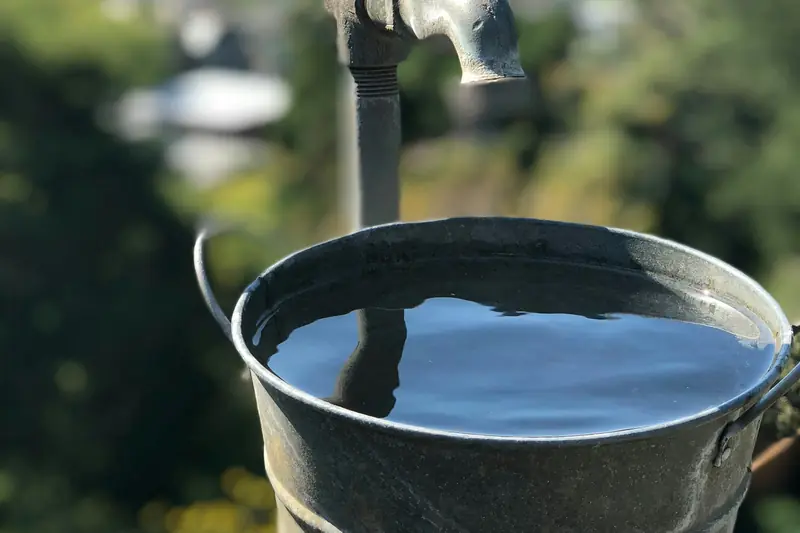
Buying guide
Best Water Conditioners for Aquariums
Chloramine removal, dose and bottle size, side by side.
-
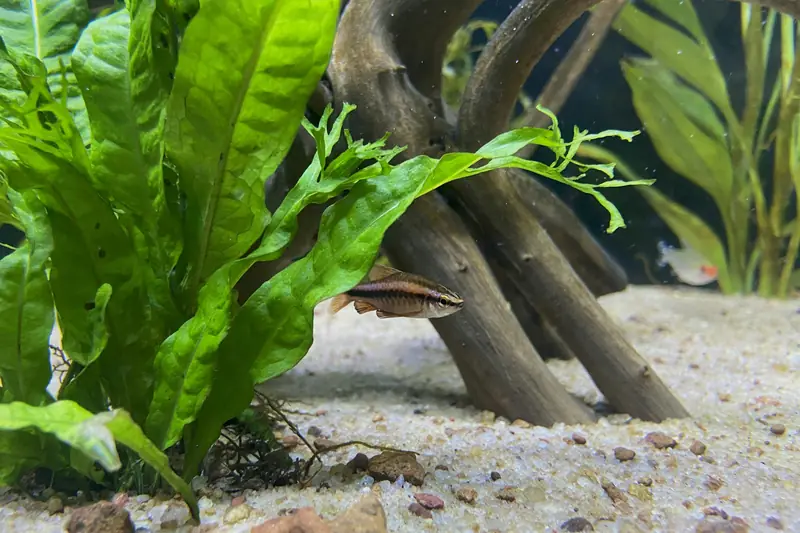
Guide
How to Set Up a Fish Tank: A Step-by-Step Beginner's Guide
Stand, water treatment, filter, heater and tests, in the order that keeps fish safe.
-
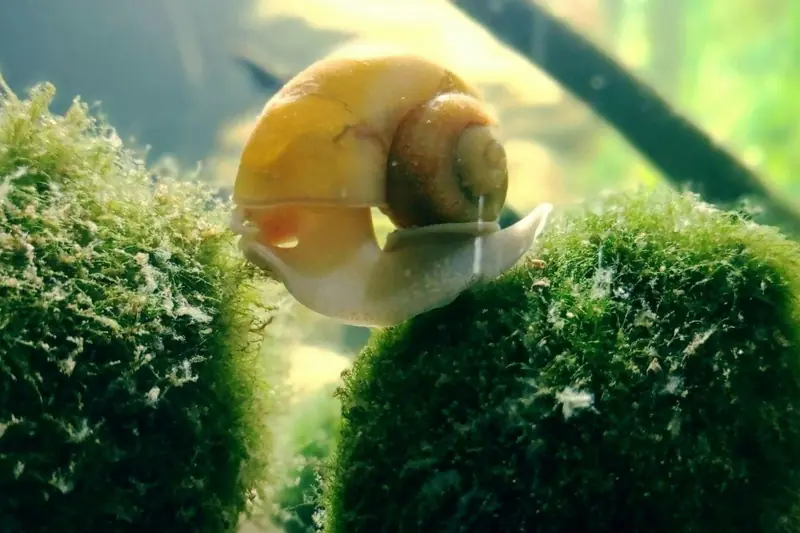
Guide
Never Release Aquarium Fish (and the Moss Ball Mussel Scare)
Rehoming options, and the USFWS steps from the 2021 zebra mussel moss ball case.
Get the First Fish Tank Checklist
A printable 8-point checklist for a new tank: stand weight, water treatment, filter, heater safety, temperature, tests and cleanup. Free.